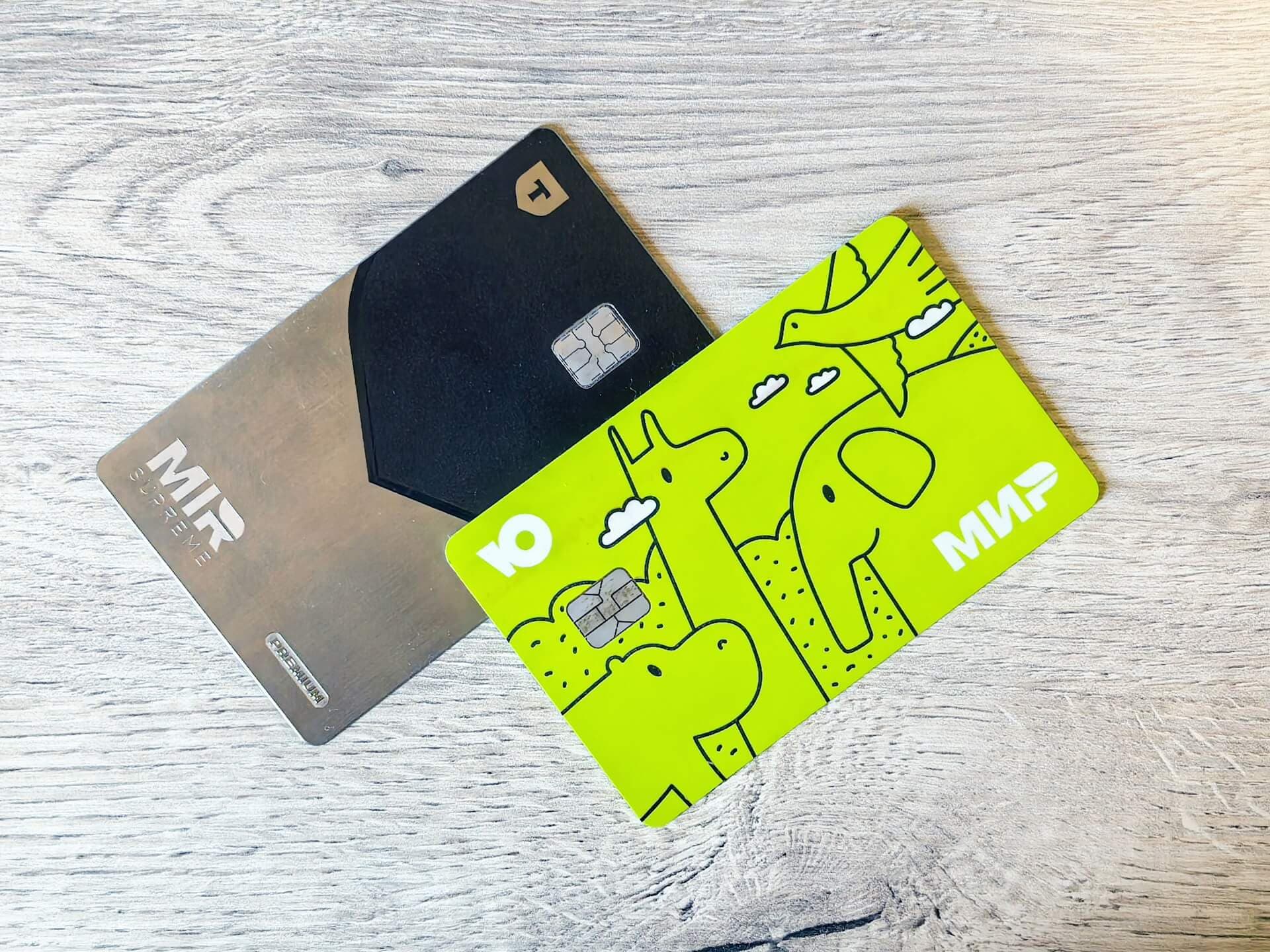
💳 1. Card Payments — What Works and What Doesn't? Local Cards: The MIR System Most daily payments in Russia are made with MIR (Мир) local bank cards — Russia's national payment system that replaced Visa and Mastercard. Accepted in all supermarkets, pharmacies, restaurants, and public transport. Lin...
Buying Real Estate in Turkey: Step-by-Step Guide for Foreigners

Choosing the Region and Type of Property: What Determines a Successful Purchase
Buying real estate in Turkey does not start with choosing an apartment, but with understanding your own goals. Whether to live by the sea, rent out, invest in new developments, or use the property as a second residence — each goal dictates different selection criteria.
Location plays a key role. Popular tourist cities — Antalya, Alanya, Bodrum — guarantee high rental demand. Istanbul is attractive for those expecting long-term price growth and the extensive infrastructure of a metropolis. Quieter resort locations, such as Kaş or Fethiye, suit those who value privacy and natural surroundings.
The type of property is also important:
- Apartments in residential complexes with infrastructure;
- Villas with a pool and private garden;
- Apartments in new buildings at the construction stage.
You can assess the liquidity of a specific property by studying demand analytics in the chosen area, checking transport accessibility, availability of schools, hospitals, supermarkets, as well as the seasonality of interest in the location.
Legal Security and the Transaction Process
For foreigners, a simplified purchase procedure is provided, but even so, several important points should be considered. First, every property must have an iskan — a document confirming ownership rights. It is also important to check whether the property is mortgaged, under arrest, or involved in a dispute.
The transaction is formalized through a notary and the Land Registry Office. Foreign citizens are required to obtain a taxpayer identification number and open an account in a Turkish bank. These procedures do not take much time but require accuracy.
The ownership registration is accompanied by translation of documents into Turkish, as well as the participation of a licensed translator. Without their signature, registration is impossible. The registration process at the Land Registry usually takes 3–5 business days after signing the sales contract.
Additional expenses:
- Purchase tax (4% of the cadastral value, usually split equally between seller and buyer);
- Translator and notary fees;
- Agency fees, if the purchase is conducted with their involvement.
After the Deal: Registration, Utility Connections, and Integration
After receiving the tapu (title deed), the new owner must complete a number of administrative steps. This is no less important than the purchase itself.
First — arranging contracts for electricity, water, and gas. A Turkish phone number and property insurance (mandatory DASK and optional voluntary insurance) will be required. All these procedures require personal presence or a power of attorney issued to a representative.
The next step is registering the address in the Nüfus system, necessary for obtaining a residence permit and correct tax payments. The address is registered at the local administration office (muhtarlık), and then at the migration service when applying for a residence permit.
If the property is purchased for investment purposes, it is advisable to register as a landlord, submit the corresponding application to the tax office, and, if necessary, open a sole proprietorship.
Many buyers also face questions about furnishing, installing appliances, and connecting the internet. Reliable local support and an experienced consultant are especially important here. The karayaka.ru team provides assistance at every stage — from property selection to help with integration after the purchase.