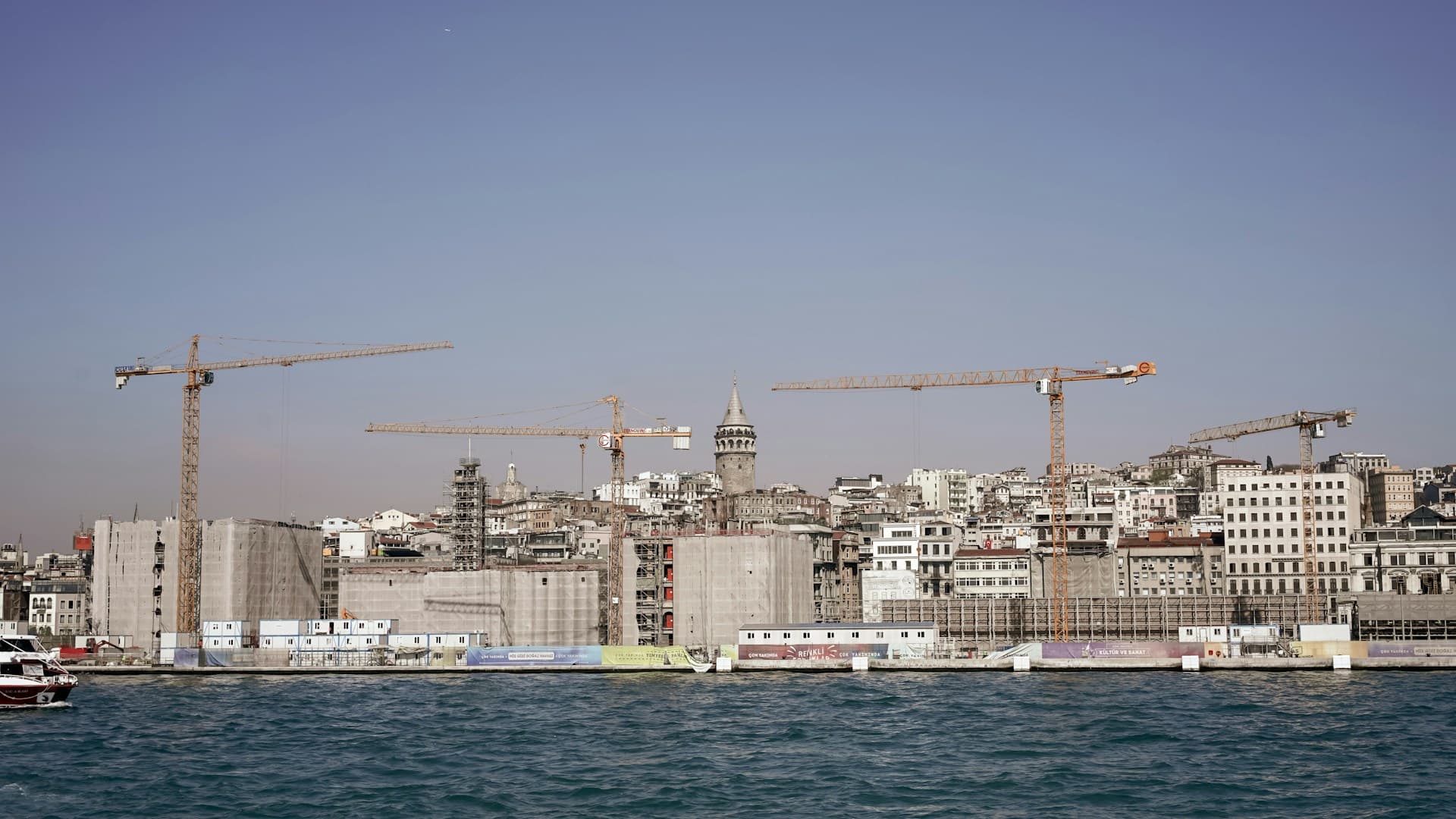
Company Reputation as the Main Guideline The real estate market in Turkey is rapidly developing, and along with it, the number of new construction companies is growing. However, not all developers deserve trust. The reputation of the developer is the first factor to pay attention to. Good companies ...
Mortgage for Foreigners in Turkey: Terms, Rates, and Application Process

Features of Mortgage Lending for Non-Residents
Turkey opened its real estate market to foreign buyers relatively recently, and mortgage programs quickly became a popular tool. Separate rules apply to non-residents, but the general logic is similar to standard banking practices. First and foremost, banks assess the borrower's creditworthiness and submitted documents. Most often required are a passport, tax number, income statement, and a bank statement from abroad.
The loan term typically ranges from 5 to 15 years, with a down payment of 30–50% of the apartment or house price. Some banks allow part of the payment in foreign currency, but loan repayments are made in Turkish lira. This is important to consider, as currency fluctuations can affect the overall financial burden.
Interestingly, mortgages are available not only for purchasing completed properties but also for those under construction. In the latter case, the bank signs a contract directly with the developer and controls the financing stages. This mechanism reduces risks for the buyer and makes the market more transparent.
Interest Rates and Additional Costs
The interest rate depends on the specific bank and the risk level associated with the foreign client. On average, mortgages for non-residents range from 8% to 12% per annum in Turkish lira. Some banks offer special conditions for large investors or buyers in tourist regions.
In addition to the interest rate, the following expenses should be considered:
- loan processing fees;
- life and property insurance;
- notary fees;
- registration charges.
Total costs can increase the transaction price by 2–5%, which should be budgeted in advance. Many banks require mandatory insurance of the property, which also raises overall expenses but provides additional protection.
In recent years, there has been a trend in the market: banks strive to simplify procedures for foreign buyers, as they constitute a significant portion of demand in major cities and coastal areas.
How the Mortgage Application Process Works
Obtaining a loan consists of several stages. First, the client selects a property and undergoes a preliminary creditworthiness assessment. The bank verifies documents, conducts an independent property appraisal, and decides on the financing amount.
After agreeing on terms, a loan agreement is signed. Then the purchase contract is signed, and the property is registered in the land registry with a mortgage note. The entire process takes from two to six weeks, depending on the complexity of the deal and the speed of document preparation.
Advantages of mortgage lending in Turkey include:
- the ability to purchase property without full upfront payment;
- access to new developments and the secondary market;
- transparent property verification mechanisms;
- flexible terms and conditions.
Nevertheless, currency risks must be considered, and careful selection of the bank is essential. It is important to clarify in advance which documents will be accepted to avoid delays.
Mortgages remain one of the most convenient ways to buy real estate in the country, especially for those considering property as a long-term investment. Detailed materials on bank conditions and examples of mortgage programs are available on karayaka.ru, which provides up-to-date information on the Turkish real estate market.